
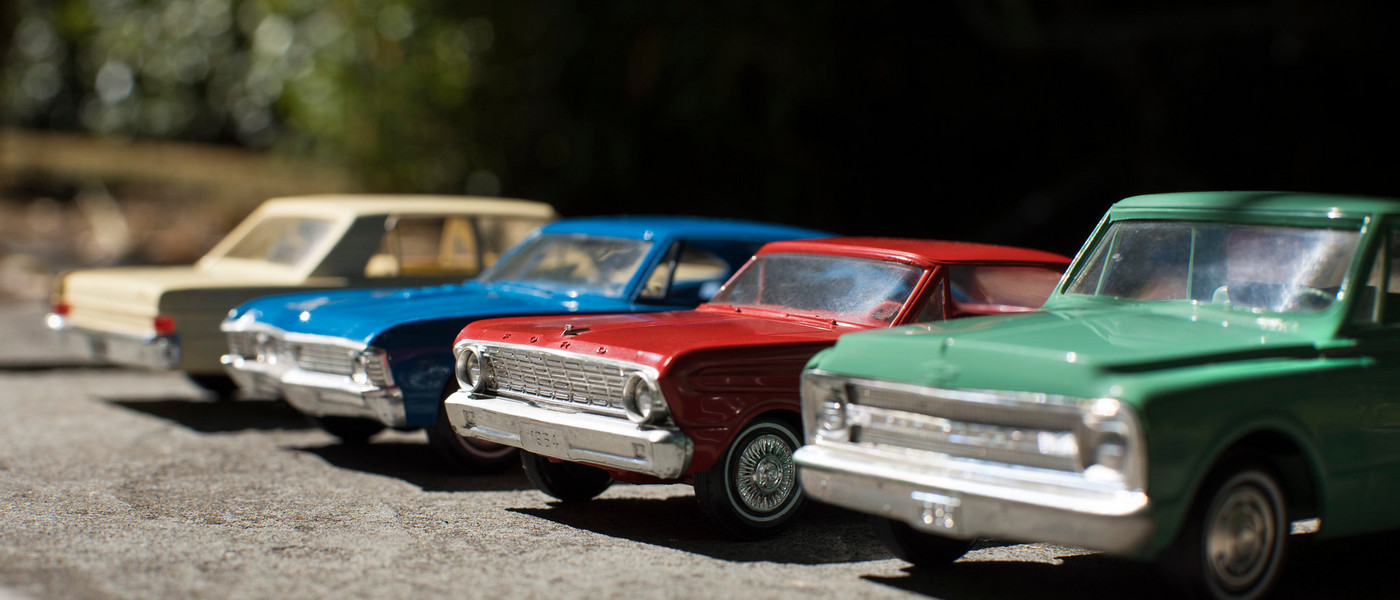
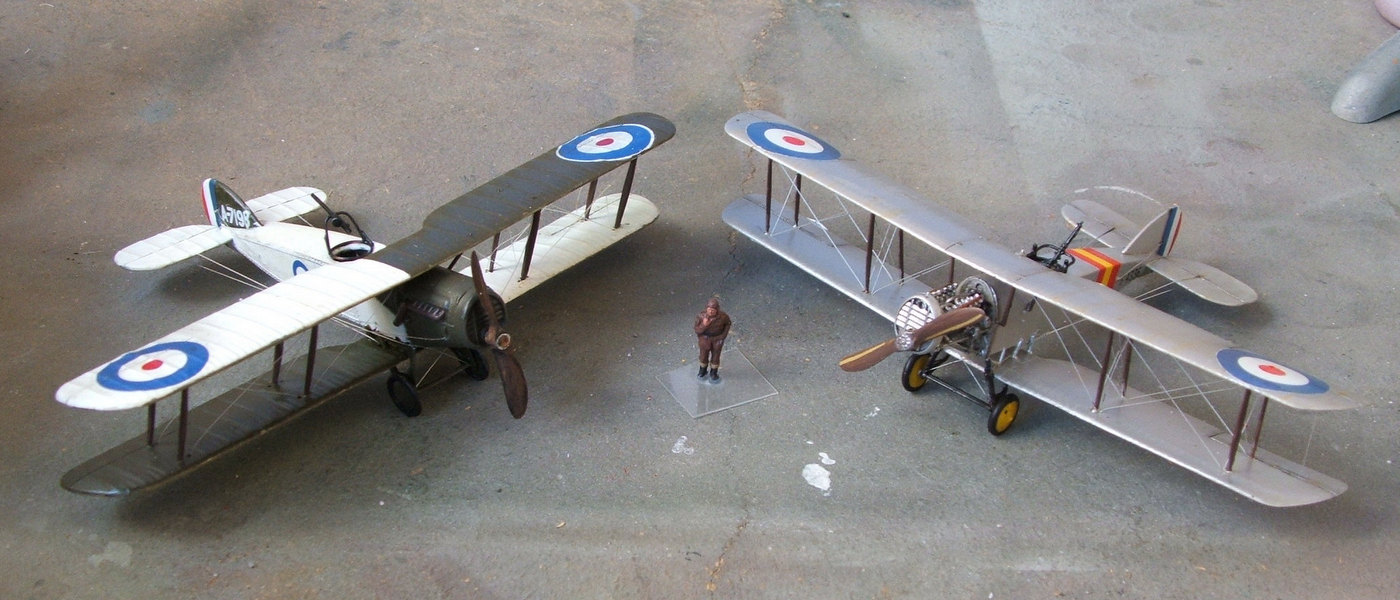
Modeling is an all-encompassing hobby that combines many types of creativity at the same time, the study of history, technology and architecture. This measured, pacifying, almost meditative lesson involves assembling scale models and models of various types of transport and architectural structures from various (sometimes handy, sometimes specially prepared) materials. Considering a large selection of model topics and a significantly different complexity of assembly, modeling is great for both adults and children, as well as for spending time together.
A brief historical excursion
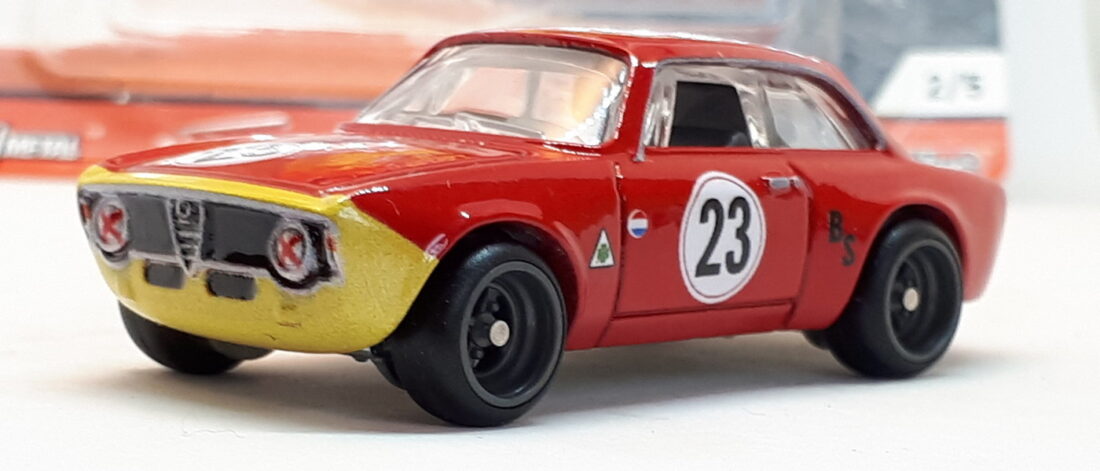
Oddly enough, humanity began to get carried away with modeling three thousand years ago: archaeologists have repeatedly found wooden and clay copies of ships created by ancient Egyptian artisans. Since the Middle Ages, models of fortresses have been regularly used to plan the strategy and tactics of the coming battles. But modeling became a mass civilian occupation only at the beginning of the twentieth century. In 1932, the first assembly model, the Supermarine S6B seaplane, went on sale in England.
Goals and types of modeling
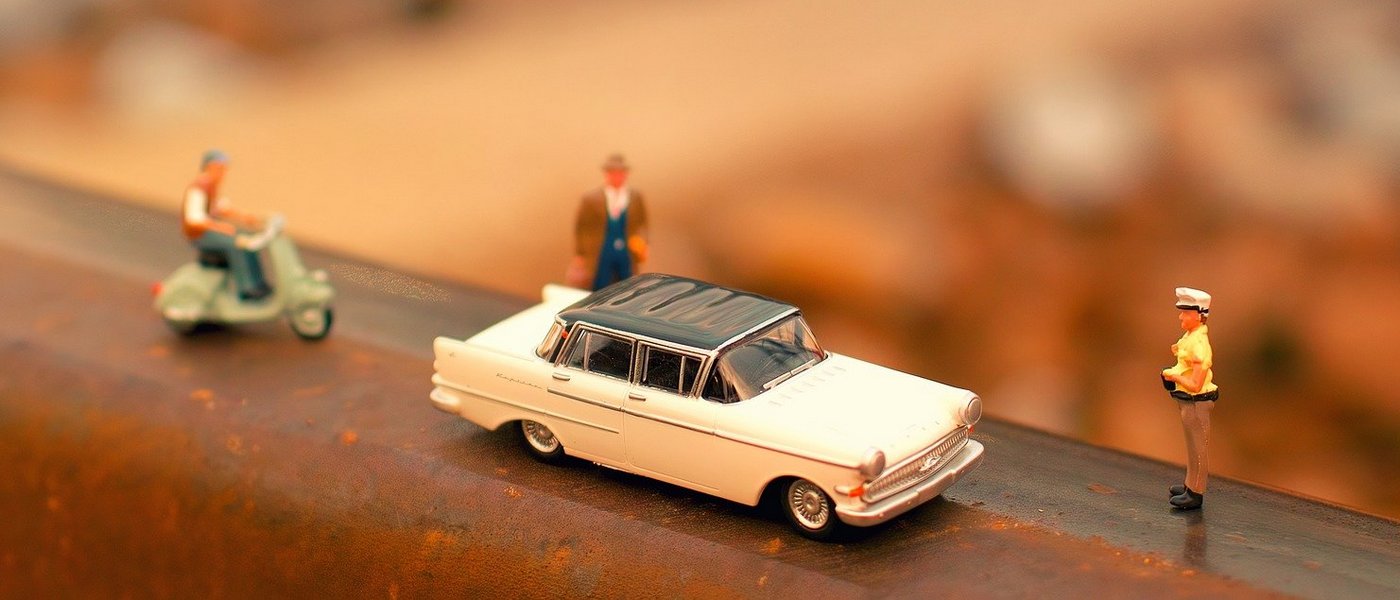
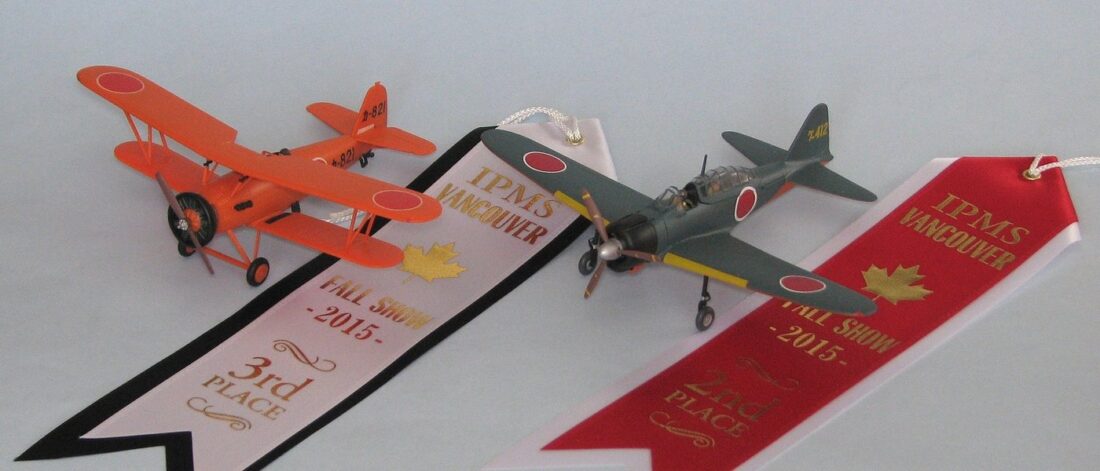
The incentives for building large-scale models of equipment (cars, aircraft, ships, trains), architectural structures (mainly world-famous sights) and human figures (soldiers of different times and peoples, including fictional fantasy ones) can be very different: the desire to create do it yourself, collecting and even sporting events and exhibitions.
Modeling in the modern sense is divided into two types: technical (operating models) and large-scale bench (another name is prototyping). Technical is the creation of models of vehicles and mechanisms that can move, and these are not always exact copies of real-life cars, planes and ships. Technical modelers are free to build models according to their own drawings from any available materials, taking into account only general norms and requirements. In the USA, Canada and many European countries, technical modeling is recognized as an official sport and competitions with large cash prizes are regularly held.
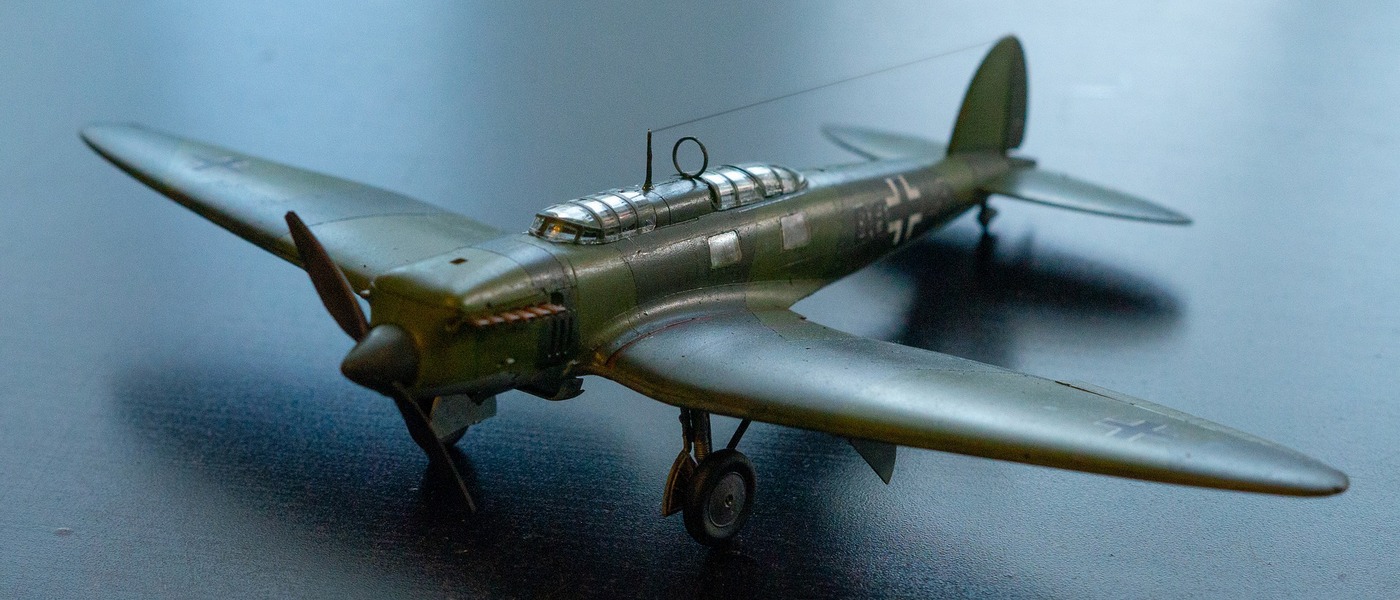
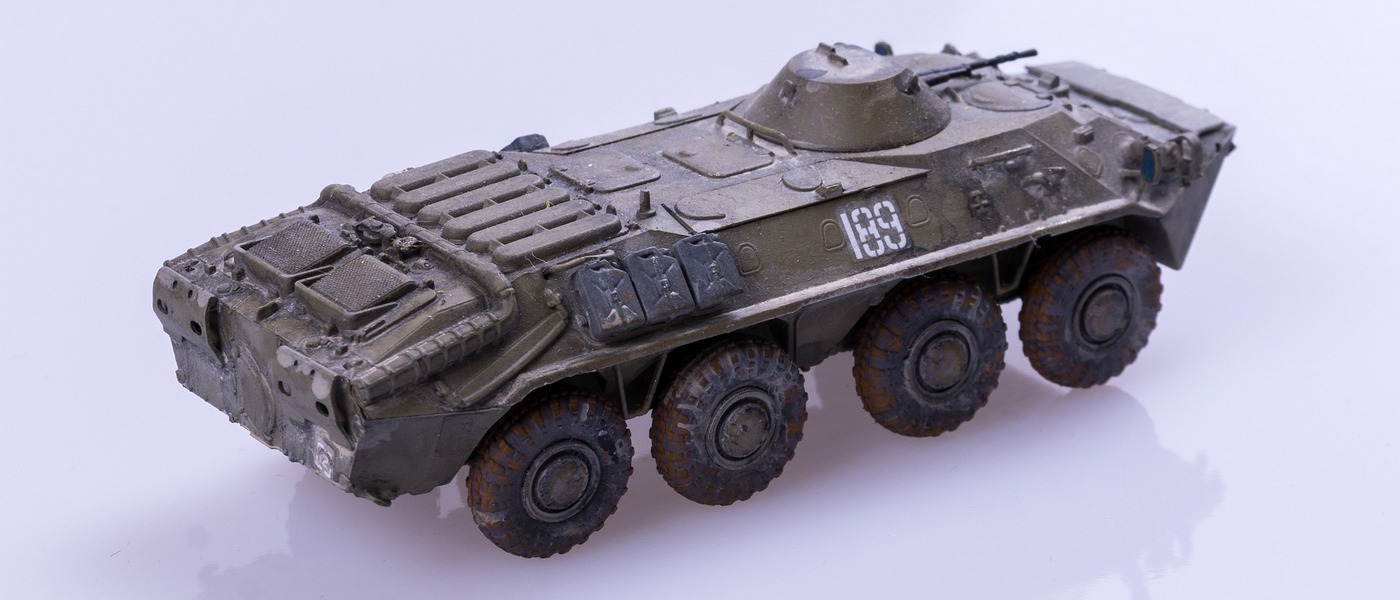
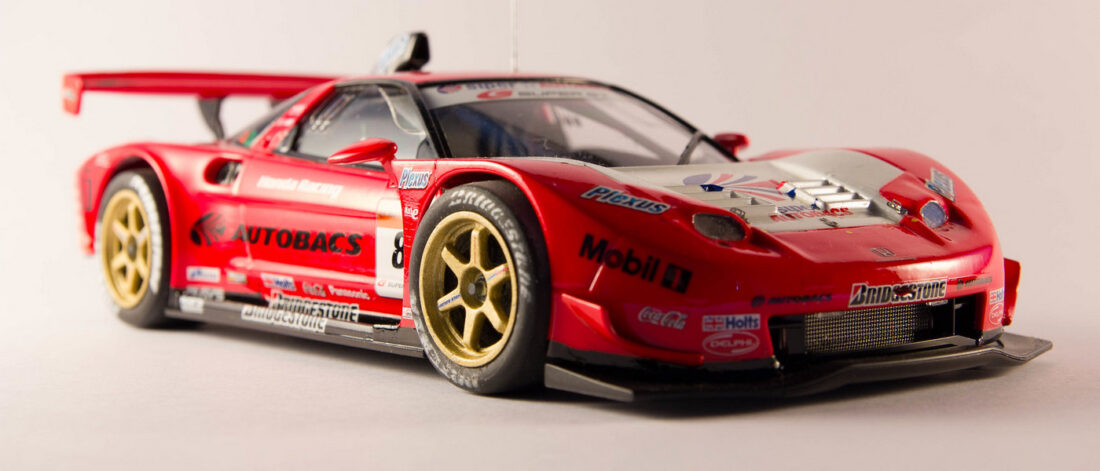
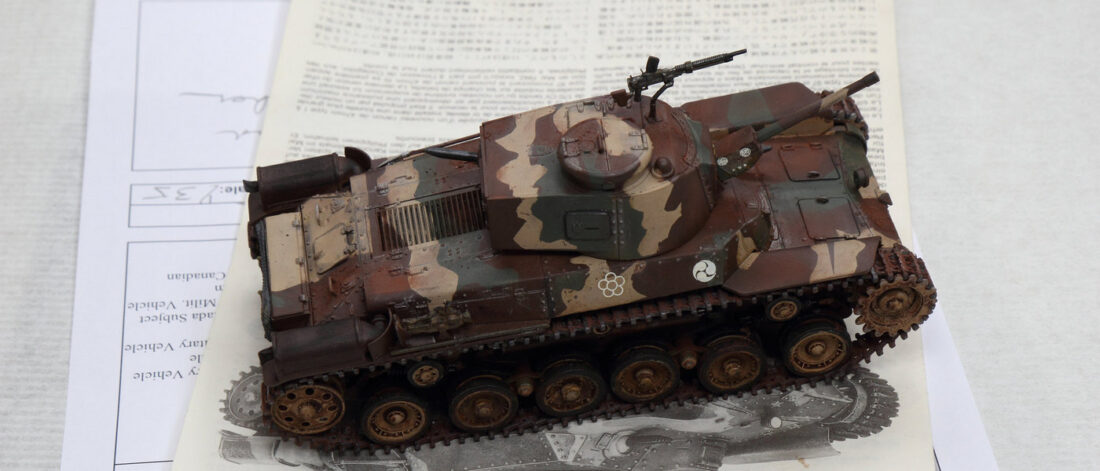
Stand modeling is a kind of creativity, in the process of which, with the utmost scrupulousness, copies of real objects are recreated on a strictly verified scale, with the repetition of all, even the smallest details. As a result, scale models are obtained that are as close as possible to the originals, including shades of paints, inscriptions and even dirt and rust (if the original has them). At the same time, a specific historical piece of equipment is often reproduced (for example, a personalized train or a tank), which has become an integral part of a significant historical event or an entire era. Unlike the current models, the bench cannot (or at least are not required to) ride, fly, or swim.
Where do beginners start?
The main materials for reproducing models are most often: plastic, cardboard, metal and wood. It is better for beginners not to take up technical modeling right away, as this will most likely require the skills of a carpenter, locksmith, electrical engineer, seamstress and a number of other professions. Simply put, technical modeling is, in most cases, not a constructor, but a “hand-made” one. It makes more sense to start with bench modeling, which allows you to purchase a complete set for assembling a particular model, complete with everything you need.
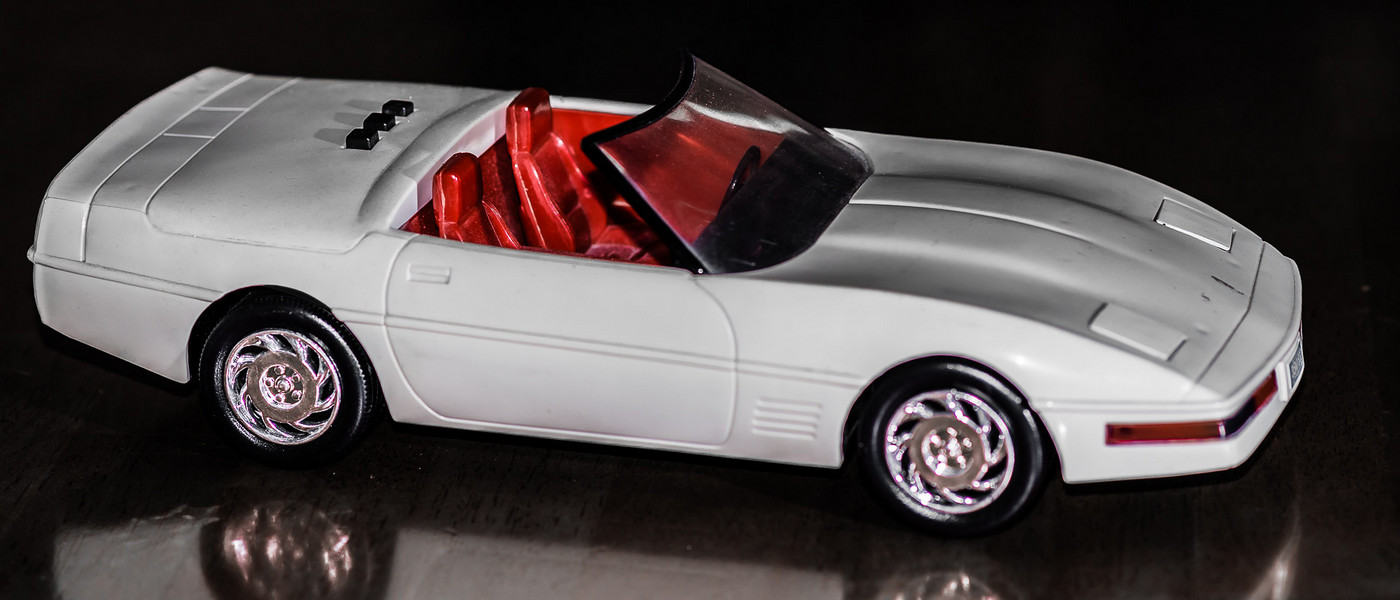
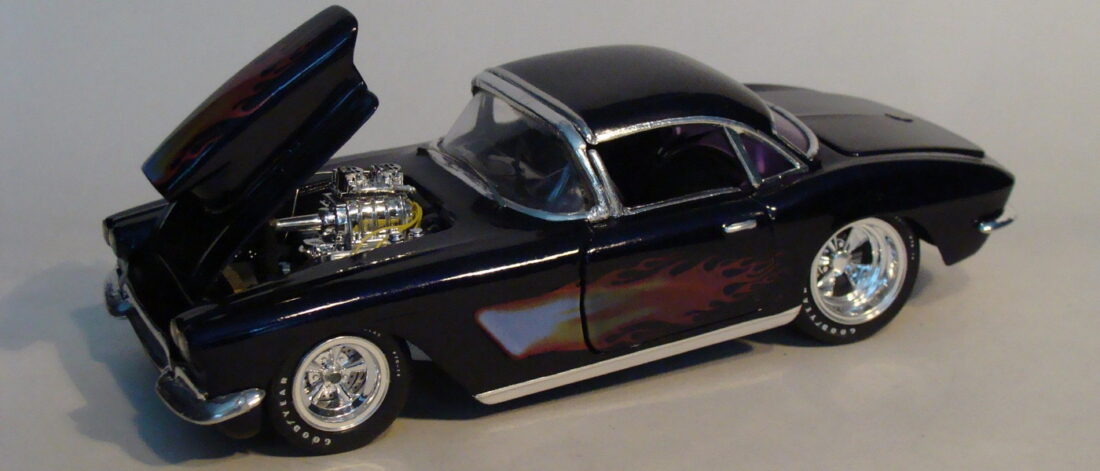
Ready-made kits are factory-made plastic (sometimes metal) disassembled models intended for gluing and subsequent painting. The most popular subjects of models are: cars and trucks, armored vehicles, ships, planes and helicopters, trains (including rails and stations), figures of people, and at the same time all this together – the so-called dioramas.
Prefabricated models are classified according to the generally accepted scale: from the smallest (1: 350, 1: 160, 1:87, 1:72, 1:43) to close in size to the original or even larger than it (1: 2, 1: 1 or 2: 1). There are also many intermediate scale options. The most common scales depend on the topic: for cars – it is 1:43, for aviation – 1:48, for trains – 1:87, for ships – 1: 350.
It should be noted that bench modeling, especially if it develops into collecting, is an expensive hobby, albeit less expensive than technical modeling. To get started, in addition to assembly kits, you will need the simplest office tools, glue, brushes and paints (in theory, any will do, but if finances allow, for convenience it is better to choose special models for painting, since they fit better on plastic and do not lose saturation longer) …
News
- How the World of Scale Modelling Inspires Future Engineers
 Scale modelling is at first sight a peaceful, even meditative pastime. The airplane, the automobile, or the tank gradually evolves itself out of plastic, wood, or metal till a miniature of the original, though extremely lifelike, is lying on the table. Along with the seeming jesting, there is much more. Anyone who builds models is… Read more: How the World of Scale Modelling Inspires Future Engineers
 - Cybersecurity Trends: What Individuals and Small Businesses Must Prepare For?
 Staying safe online has become a daily task. Not something that can be handled once and forgotten at all. Threats evolve quickly, and both individuals and smaller companies often feel the pressure most sharply: limited time, limited resources, yet the same digital exposure as larger organizations. With more everyday processes shifting to screens and cloud… Read more: Cybersecurity Trends: What Individuals and Small Businesses Must Prepare For?
 - Flugzeuge, Autos, Panzer: Die Entwicklung der Mobilität und Militärtechnik
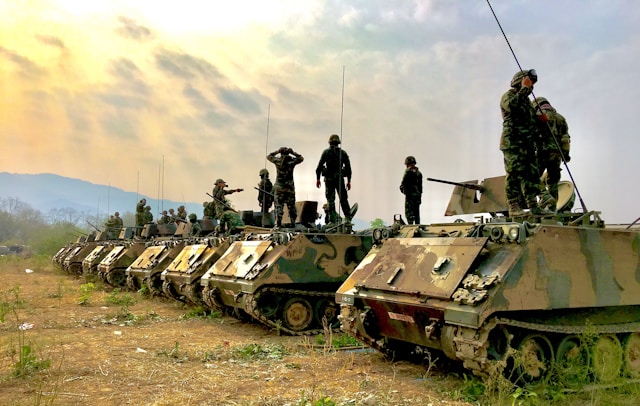 Europäisches Roulette, ähnlich wie die Welt der Flugzeuge, Autos und Panzer, ist eine Mischung aus Strategie, Präzision und Innovation. Seit der industriellen Revolution haben sich diese drei Maschinenarten zu entscheidenden Elementen des modernen Lebens und der militärischen Verteidigung entwickelt. Während Autos unseren Alltag bestimmen und Flugzeuge die Art des Reisens revolutioniert haben, spielen Panzer eine… Read more: Flugzeuge, Autos, Panzer: Die Entwicklung der Mobilität und Militärtechnik
 - Plastic Models: Aircraft, Cars, and Tanks in the World of Star Wars Collectibles
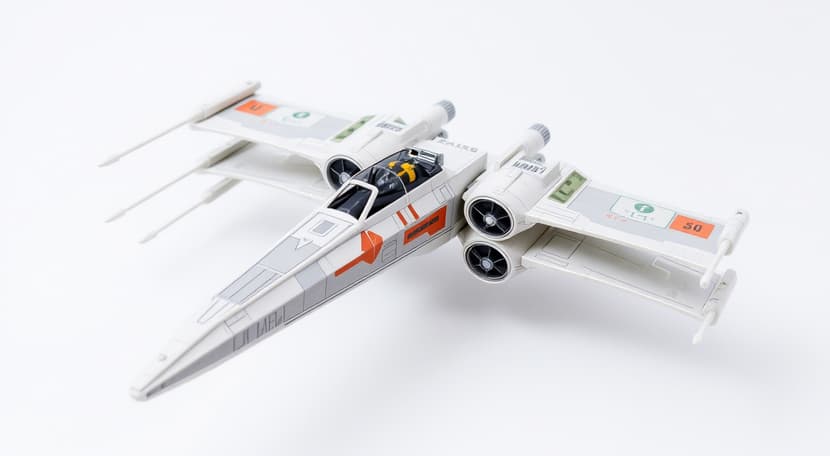 Exploring the Art of Scale Modeling and Its Connection to a Galaxy Far, Far Away Plastic model kits have long been a beloved hobby among enthusiasts who enjoy assembling and painting replicas of aircraft, cars, and tanks. This meticulous craft allows modelers to recreate historic machines, futuristic vehicles, and even iconic sci-fi designs from popular… Read more: Plastic Models: Aircraft, Cars, and Tanks in the World of Star Wars Collectibles